You just read the word “somnolent” somewhere. Maybe in a book. Maybe in a news article. And now you want a real answer, not a fancy dictionary quote that makes you more confused.
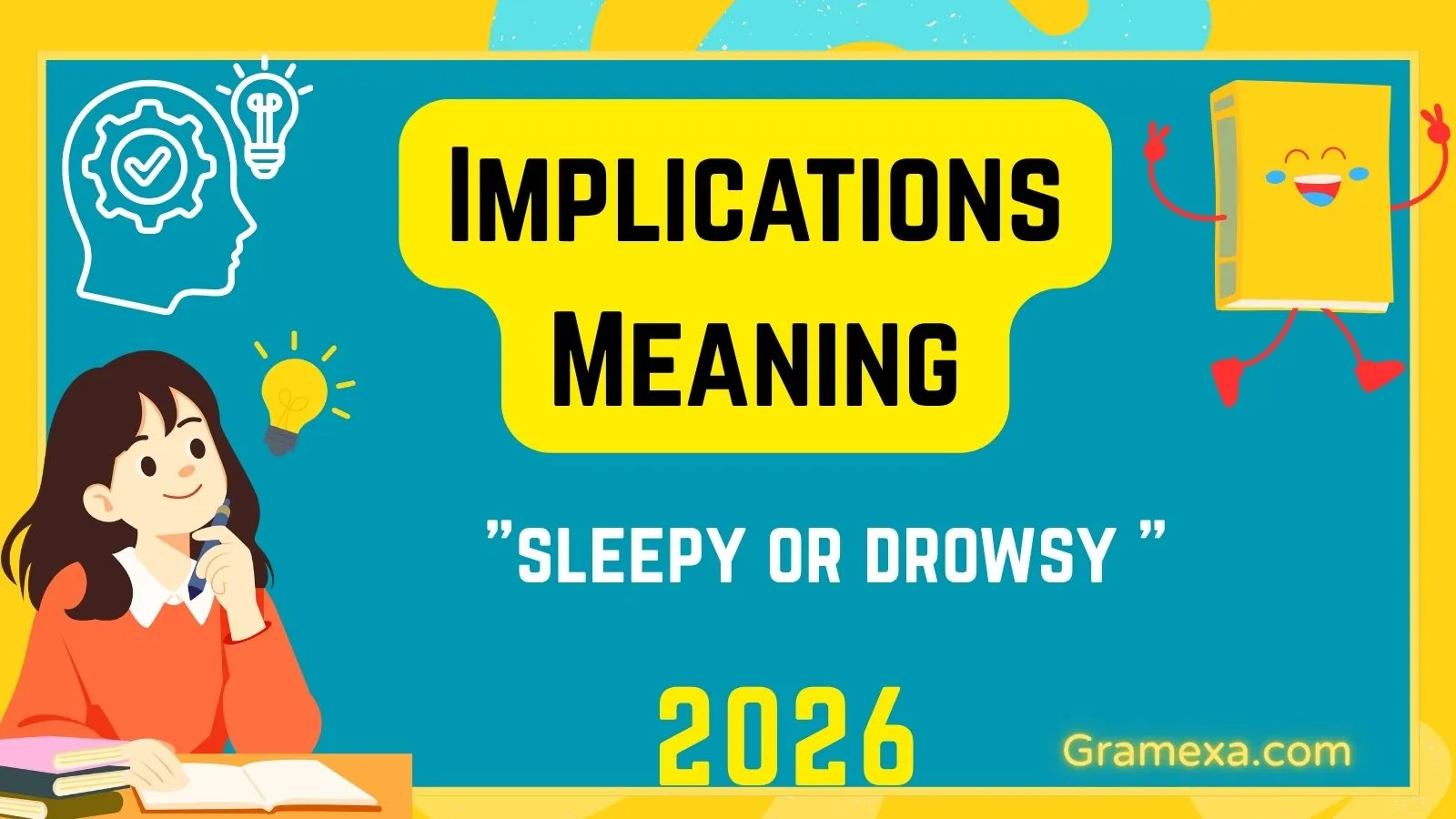
Here’s the short version. Somnolent means sleepy or drowsy. It can also describe something that makes you feel sleepy, like a warm room or a slow, quiet afternoon.
That’s it. No trick. No hidden meaning.
But knowing one word isn’t the same as knowing how to use it right. In this guide, you’ll get the full definition, where the word came from, how it’s different from words like “drowsy” and “lethargic,” and how to drop it into a sentence without sounding stiff. You’ll also get a quick list you can save for later.
Let’s break it down piece by piece, in plain English.
Quick Answer
Somnolent (say it: SOM-nuh-lent) is an adjective. It means sleepy, drowsy, or half-asleep. People also use it to describe things that cause sleepiness, like a boring lecture or a heavy meal.
Example: “The long car ride left her somnolent by the time they reached home.”
What Does Somnolent Mean? (Full Definition)
Somnolent has two main uses.
First use
It describes a person or animal who feels sleepy or is close to falling asleep. Think of that heavy-eyed feeling right after lunch.
Second use
It describes something that causes sleepiness. A somnolent afternoon. A somnolent town where nothing much happens.
Both uses point to the same idea: sleep, or the pull toward sleep. The word works for people, animals, places, and even moods.
Where Does the Word Somnolent Come From?
Somnolent comes from the Latin word “somnus,” which means sleep. You can hear that same root in other English words like “insomnia” (not being able to sleep) and “somnambulist” (a sleepwalker).
The word passed through Old French before landing in English centuries ago. Writers have used it for a long time to add a formal, literary touch to descriptions of sleepiness.
That’s part of why it still feels a bit “bookish” today. It’s not slang. It shows up more in writing than in casual talk.
Somnolent vs Drowsy vs Lethargic: What’s the Real Difference?
These three words all point toward low energy, but they don’t mean exactly the same thing. Mixing them up is an easy mistake, so here’s a clear breakdown.
| Word | What It Really Means | Best Used For |
| Somnolent | Sleepy or drowsy, often in a slow, heavy way | Formal or descriptive writing, moods, places, people |
| Drowsy | Feeling sleepy, often from tiredness or medicine | Everyday speech, casual writing |
| Lethargic | Low energy, sluggish, lacking motivation | Physical tiredness, illness, lack of drive (not always about sleep) |
The key difference: lethargic doesn’t always mean you want to sleep. You can feel lethargic and still be wide awake, just slow and unmotivated. Somnolent and drowsy both point straight at sleep itself.
How to Use Somnolent in a Sentence
Here are real, natural examples so you can see the word in action.
- “The somnolent cat stretched once and drifted back to sleep.”
- “A somnolent hush fell over the beach town in the off-season.”
- “His somnolent tone made it hard to stay awake during the meeting.”
- “The heat made the whole office feel somnolent by 3 p.m.”
- “She fought off a somnolent feeling after the heavy lunch.”
Notice how the word can describe a person, a place, or even a feeling in the air. That’s part of what makes it useful for writers who want to paint a specific mood.
Synonyms for Somnolent
If you want a simpler word, or just a different flavor, here are close matches:
- Drowsy
- Sleepy
- Dozy
- Groggy
- Lethargic (close, but not exact)
- Torpid
Each of these carries a slightly different weight. “Groggy” often follows sleep, not before it. “Torpid” leans more toward stillness and inactivity than sleep itself. Pick based on the exact feeling you want to describe.
Antonyms for Somnolent
On the flip side, here are words with the opposite meaning:
- Alert
- Wide-awake
- Energetic
- Lively
- Vigilant
Common Mistakes People Make With Somnolent
People trip up on this word in a few common ways. Here’s what to watch for.
| Mistake | Why It’s Wrong | Correct Version |
| Using it for excitement or energy | Somnolent means the opposite of energetic | Use “energetic” or “lively” instead |
| Mispronouncing it as “som-NOH-lent” | The stress falls on the first syllable | Say it as “SOM-nuh-lent” |
| Confusing it with “insomniac” | Insomniac means someone who can’t sleep | Somnolent means someone who is sleepy |
| Overusing it in casual chat | It sounds too formal for texting or small talk | Save it for writing, stories, or formal speech |
Quick Reference Checklist
Save this table so you never second-guess the word again.
| Question | Answer |
| What part of speech is it? | Adjective |
| What does it mean? | Sleepy, drowsy, or sleep-inducing |
| How do you say it? | SOM-nuh-lent |
| Where does it come from? | Latin word “somnus” (sleep) |
| Best used in? | Formal writing, fiction, descriptive text |
| Common synonym? | Drowsy |
| Common antonym? | Alert |
FAQs:
Q1. What does somnolent mean in simple words?
It means sleepy or drowsy. It can describe a person who feels tired and ready to sleep, or something that makes people feel that way.
Q2. Is somnolent a formal word?
Yes. It shows up more often in books, articles, and formal writing than in everyday conversation. Most people use “sleepy” or “drowsy” when speaking casually.
Q3. How do you pronounce somnolent?
Say it as SOM-nuh-lent, with the stress on the first part of the word.
Q4. What is the noun form of somnolent?
The noun form is “somnolence.” It means the state of being sleepy or drowsy, such as “a deep somnolence settled over the room.”
Q5. Can somnolent describe a place, not just a person?
Yes. Writers often use it to describe a quiet, sleepy town, a slow afternoon, or a still, drowsy mood in the air.
Q6. What’s the difference between somnolent and insomnia?
They’re almost opposites. Somnolent means feeling sleepy. Insomnia means having trouble falling or staying asleep.
Q7. Is somnolent used in medical language?
Yes, sometimes. Doctors or nurses may use “somnolence” to describe a patient who is unusually sleepy or hard to keep awake, which can be a symptom worth noting.
Conclusion
Somnolent simply means sleepy, drowsy, or sleep-inducing. It comes from the Latin word for sleep, and it works well in formal writing, fiction, or anytime you want a more vivid word than “tired.”
Use it for people, animals, places, or even a mood in the room. Just remember: it’s a word for stillness and sleep, not energy or excitement.
Next time you read or write the word somnolent, you’ll know exactly what it means and how to use it the right way.

I am William Foster experienced English teacher from Ohio who specializes in simplifying grammar for everyday learners. At Gramexa.com, I shares practical tips to help readers write clearly and confidently.